Helping PreSchoolers Manage Big Feelings: A Parent Guide to Emotional Regulation
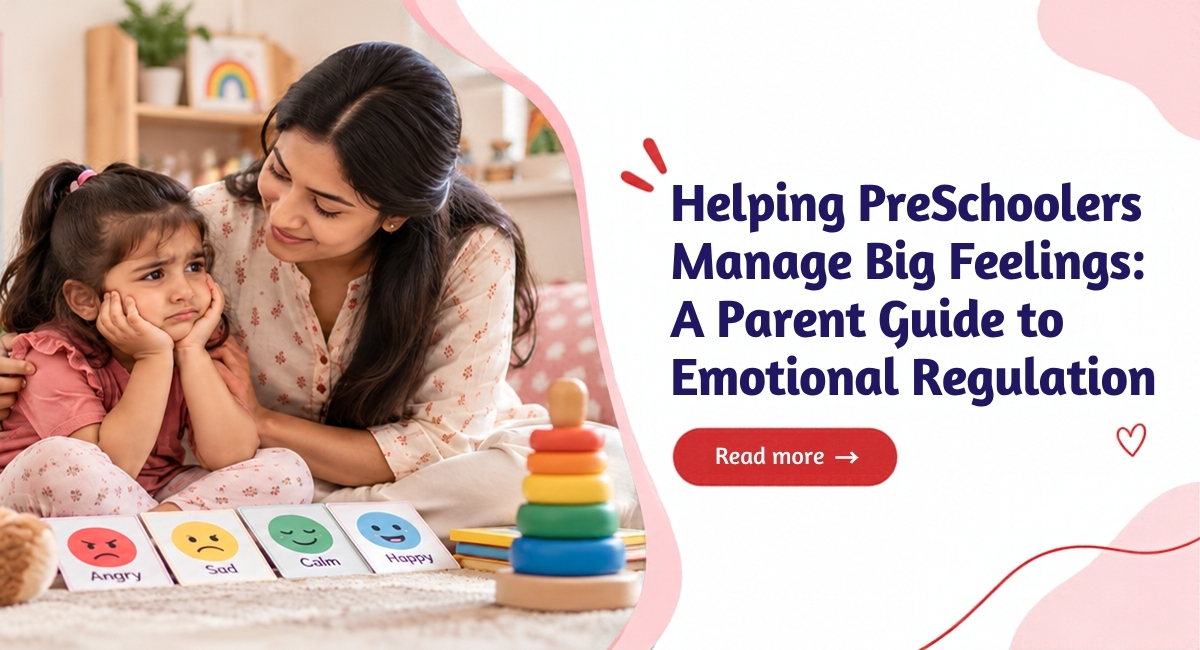
Table of content
1. Introduction
2. Emotional Regulation for PreSchoolers: What Does It Mean?
3. Emotional Development in PreSchoolers: Why Big Feelings Happen
4. Emotional Intelligence for Kids: Helping Children Understand Their Feelings
5. Emotional Regulation for PreSchoolers: How Parents Can Help
6. Coping Skills for Kids: Simple Ways to Calm Down
7. Emotional Intelligence for Kids: Teaching Kindness and Understanding
8. Social Emotional Learning for PreSchoolers in the Classroom
9. Emotional Development in Children Through Play and Daily Routines
10. When Should Parents Seek Extra Help?
11. Conclusion
12. Frequently Asked Questions
Introduction
PreSchool children can be happy one moment and upset the next. They may cry over small things, get angry when something doesn't go their way or find it difficult to explain how they feel. This is a normal part of growing up because young children are still learning to understand and manage their emotions.
Parents and teachers play an important role in helping children handle these feelings. Emotional regulation for PreSchoolers is not about stopping children from crying or getting angry. It is about helping them understand their feelings, express their emotions in a healthy way and slowly learn how to stay calm. In this guide, we will share simple ways parents can help their children manage big feelings.
Emotional Regulation for PreSchoolers: What Does It Mean?
Emotional regulation for PreSchoolers means helping young children understand their feelings and learn how to handle them. For example, a child may learn to say 'I am angry' instead of shouting, ask for help when upset or take a short break when something feels difficult.
Children do not learn these skills in one day. They need time, practice and support from parents and teachers. A three or four-year-old child cannot always control emotions like an adult. With patience and encouragement, children slowly learn to express their feelings, ask for comfort and calm down when they are upset.
Emotional Development in PreSchoolers: Why Big Feelings Happen
Emotional development in PreSchoolers is an important part of growing up. Young children often feel happy, angry, sad or frustrated but may not know how to explain these feelings. Simple things like hunger, tiredness, waiting or changes in their daily routine can make them upset. Crying or getting angry does not always mean a child is behaving badly. With love, patience and support from parents and teachers, children slowly learn to understand their feelings and manage their emotions better.
Emotional Intelligence for Kids: Helping Children Understand Their Feelings
One of the first steps in building emotional intelligence for kids is teaching them to understand and name their feelings. Parents can use simple words like happy, sad, angry, scared, worried and excited during everyday conversations.
For example, if a child gets upset because a friend takes their toy, a parent can say, 'I know you are upset because you wanted to play with that toy.' This helps children understand what they are feeling. Parents should also teach children that feeling angry is okay, but hitting or hurting others is not. Slowly, children learn to use words instead of crying, shouting or getting angry.
Emotional Regulation for PreSchoolers: How Parents Can Help
When a PreSchool child is very upset, giving long explanations or too many instructions may not help. Parents should first try to stay calm and make sure the child feels safe. Speaking gently, using simple words and staying close can help children feel comfortable.
For example, parents can say, 'I know you are angry. I am here to help you.' Once the child becomes calm, parents can talk about what happened and explain how to handle the situation next time. Children also learn by watching adults. When parents speak calmly, show patience and handle problems without shouting, children slowly learn to follow the same behaviour.
Coping Skills for Kids: Simple Ways to Calm Down
Teaching simple coping skills for kids can help children manage their feelings when they are upset, angry or worried. Parents can encourage children to take slow breaths, drink water, hug a parent, sit quietly, draw pictures or play with a favourite soft toy.
These activities can be practised when children are happy and relaxed, so they become familiar with them. Every child is different. Some children feel better after a hug, while others may need a little quiet time. Parents can observe what works best for their child and encourage them to use these simple activities whenever they feel upset.
Emotional Intelligence for Kids: Teaching Kindness and Understanding
Building emotional intelligence for kids also means helping children understand how other people feel. Parents and teachers can teach kindness, sharing and caring through simple everyday situations.
For example, when a friend is crying, parents can ask, 'Why do you think your friend is sad?' Reading stories together is another easy way to teach children about emotions. Parents can talk about how story characters feel and why they behave in certain ways. These small conversations help children understand feelings, care for others and build good friendships.
Social Emotional Learning for PreSchoolers in the Classroom
Social emotional learning for PreSchoolers happens naturally during everyday classroom activities. Children learn important skills when they share toys, wait for their turn, play with friends, work in groups and ask teachers for help.
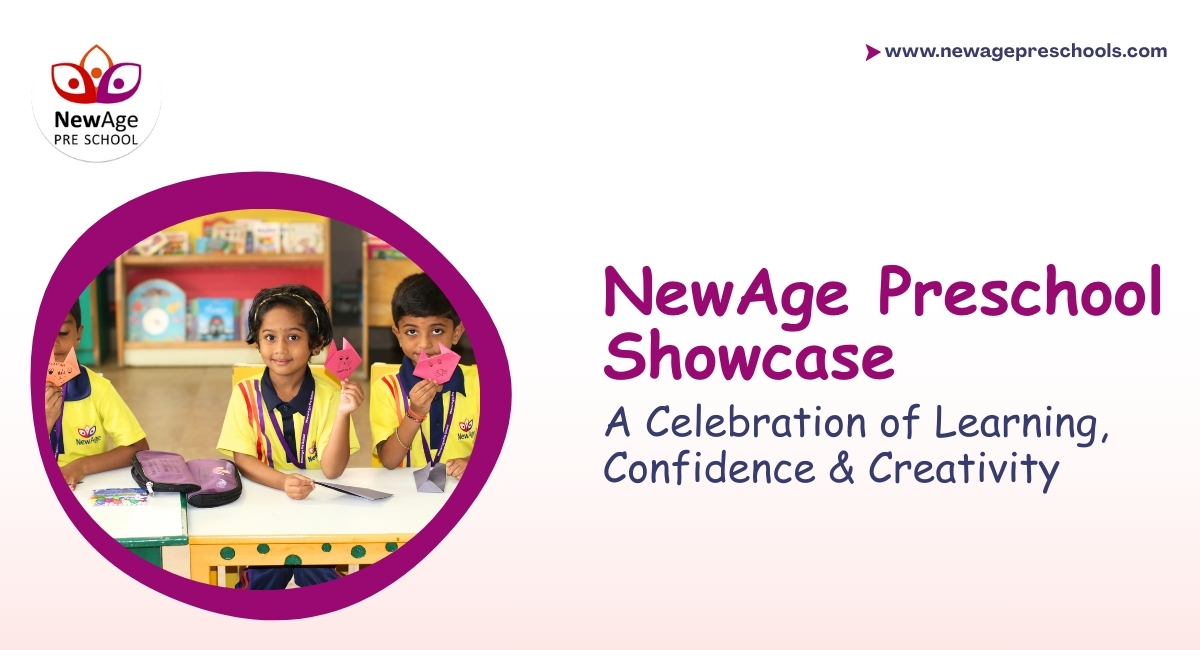
At NewAge PreSchools, children are encouraged to learn and grow in a caring and positive environment. Teachers support children through play, group activities and friendly conversations. These daily experiences help children build confidence, make friends, understand emotions and learn how to behave with others.
Emotional Development in Children Through Play and Daily Routines
Emotional development in children can happen naturally through play, stories and simple daily activities. When children play together, they learn how to share, wait, communicate and handle small disagreements. Pretend play also helps children express their feelings and understand everyday situations.
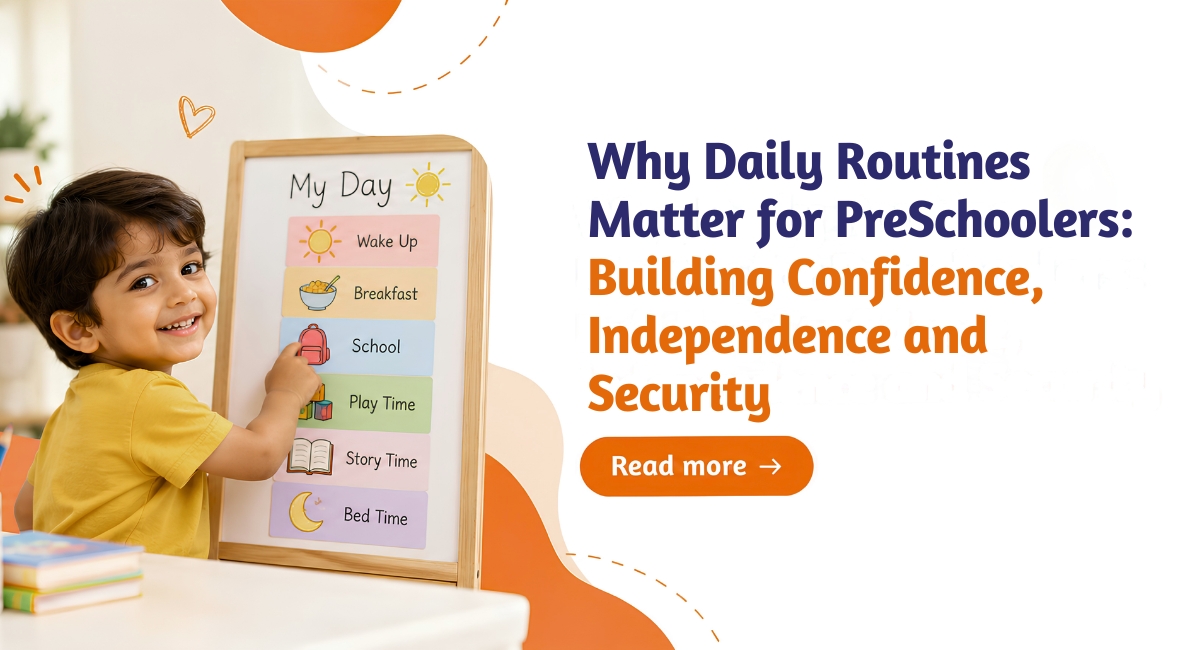
Following a regular daily routine can also help children feel safe and comfortable. Simple routines like playtime, snack time, storytime and rest time help children know what to expect during the day. When children feel comfortable with their routine, they may find it easier to handle changes and manage their emotions.
When Should Parents Seek Extra Help?
It is normal for young children to cry, get angry or feel upset sometimes. They are still learning how to understand their feelings and express them. Most children slowly improve with patience, care and regular support.
However, if a child gets upset very often, has strong emotional reactions for a long time or finds it difficult to take part in daily activities, parents may need extra guidance. Talking to a PreSchool teacher can help parents understand how their child behaves in the classroom. Parents can also speak with a paediatrician or child development professional if they have ongoing concerns.
Conclusion
Helping young children manage their emotions takes time, patience and understanding. Children learn better when parents and teachers listen to their feelings, speak kindly and guide them through difficult moments. Simple activities like playing together, reading stories, following daily routines and talking about feelings can support emotional regulation for PreSchoolers.
At NewAge PreSchools, we believe every child deserves a caring environment where they can learn, play and grow with confidence. Our learning activities support children's emotional, social and overall development. Admissions for 2026–27 are open! Book a School Tour and explore a happy learning environment for your child.
Frequently Asked Questions
How does PreSchool help children manage emotions?
PreSchool helps children learn through play, sharing, group activities and daily interactions. Teachers guide children in understanding their feelings, making friends and handling small problems.
What are some simple coping skills for kids?
Slow breathing, drawing, playing with soft toys, drinking water, hugging a parent and spending quiet time can help children feel calm.
Should parents stop children from crying?
No. Crying is a natural way for young children to express their feelings. Parents should comfort them, understand what happened and help them learn other ways to express emotions.
How can I help my PreSchool child control anger?
Stay calm, listen to your child and help them understand why they are angry. Teach simple activities like slow breathing, taking a short break or asking for help.
What is emotional regulation for PreSchoolers?
Emotional regulation means helping young children understand their feelings and learn how to manage emotions like anger, sadness and frustration. Children develop these skills slowly with support from parents and teachers.

Admin
Shivani Sahu is an experienced blogger and dedicated educator with a decade of teaching experience in Pre-primary education. She loves to help and inspire young children to learn more and grow as individuals. Shivani writes articles to share her knowledge and tips, hoping to motivate children to discover new things, learn a lot, and reach their best potential.
Leave a Reply
Your email address will not be published. Required fields are marked *
Comments
No comments available