Why Play-Based Learning Is Becoming More Important in Preschool Education in 2026
Table of content
- Introduction
- What Play-Based Learning Looks Like in a Preschool Classroom
- Why Parents Should Choose a Play-Based Preschool in 2026
- How Play Helps Children Learn Language and Early Number Skills
- How Shared Play Builds Confidence, Friendship and Resilience
- Why Movement and Sensory Play Are Part of Everyday Learning Today
- How Teachers Balance Free Play With Guided Learning in Class
- What Parents Can Look For During a Preschool Visit in Bangalore
- Simple Ways Families Can Encourage Meaningful Play at Home Daily
- Conclusion
- Frequently Asked Questions
Introduction
For many years, learning was often connected with textbooks, desks, writing and memorising lessons. But preSchool education is changing. Today, parents and teachers understand that young children can learn many important things through something they naturally enjoy; play.
Play-based learning gives children the freedom to explore, ask questions, talk, create, move and solve simple problems. It can support language, early maths, social skills, confidence and physical development. Children are not only playing for fun; they are also learning about themselves and the world around them.
What Play-Based Learning Looks Like in a Preschool Classroom
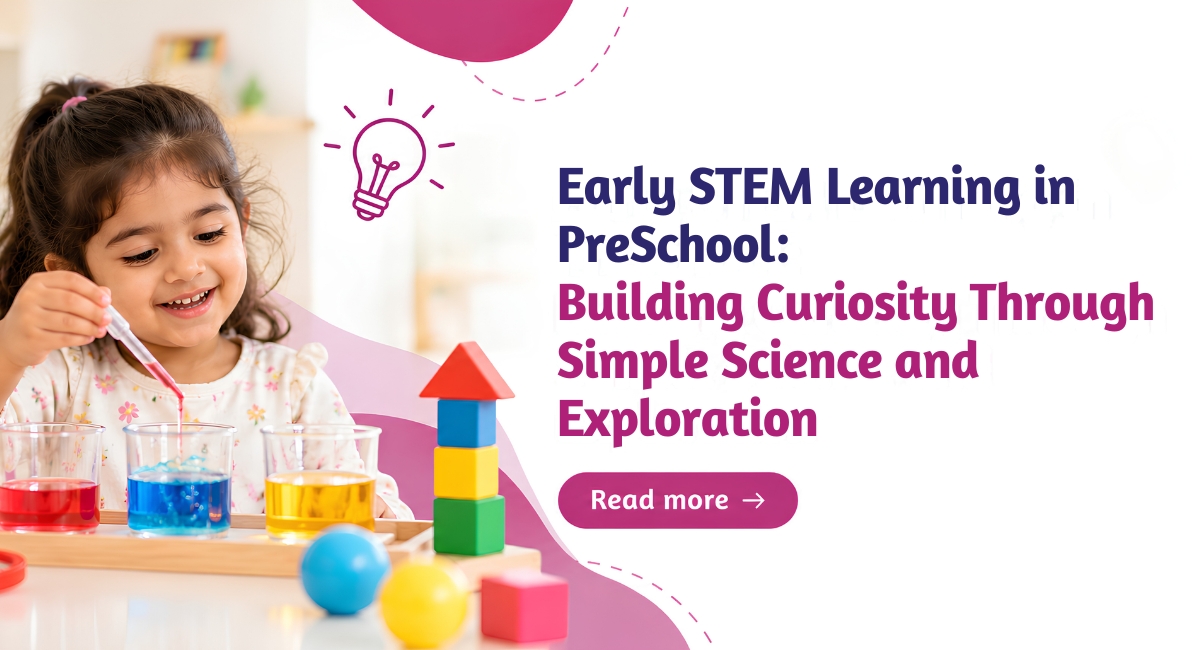
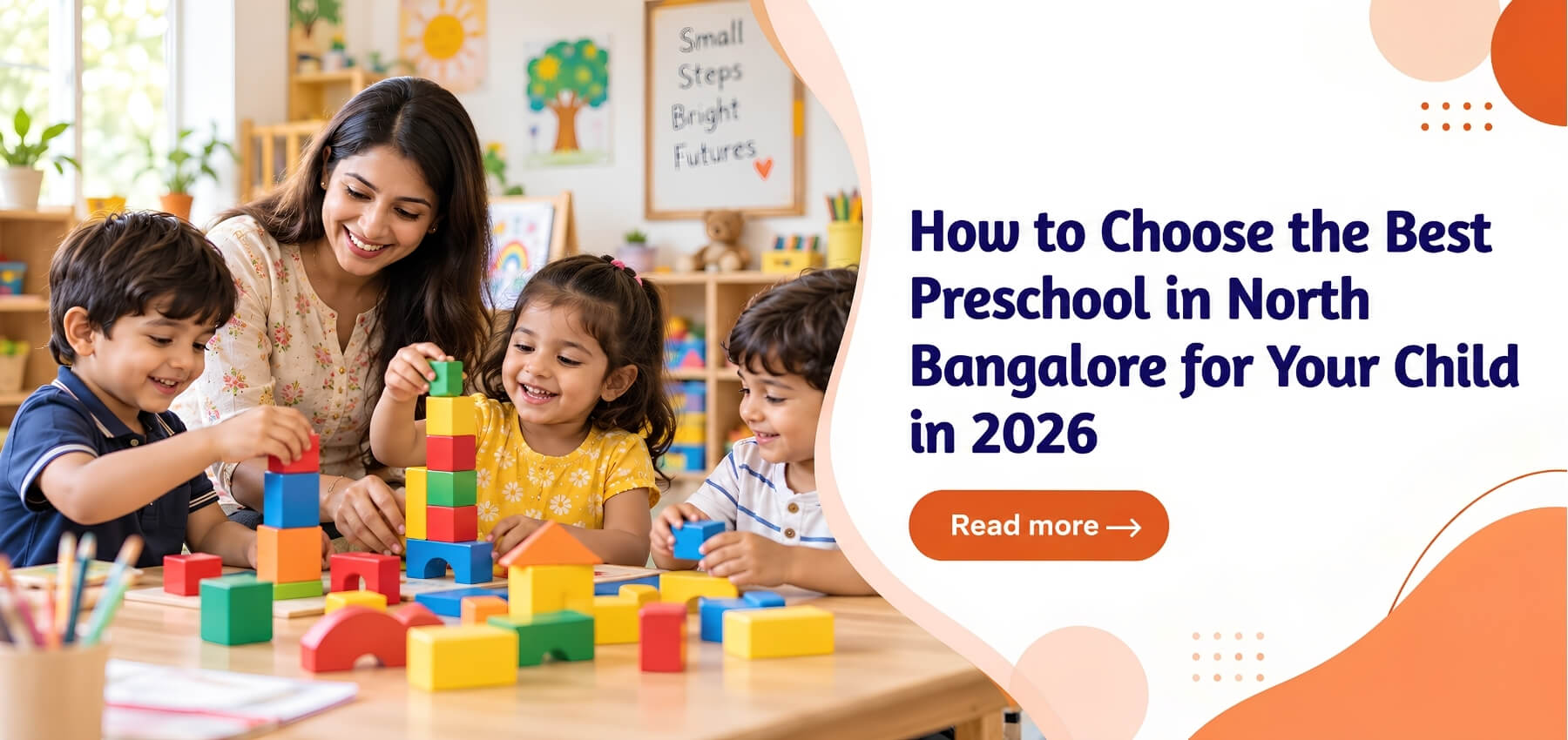
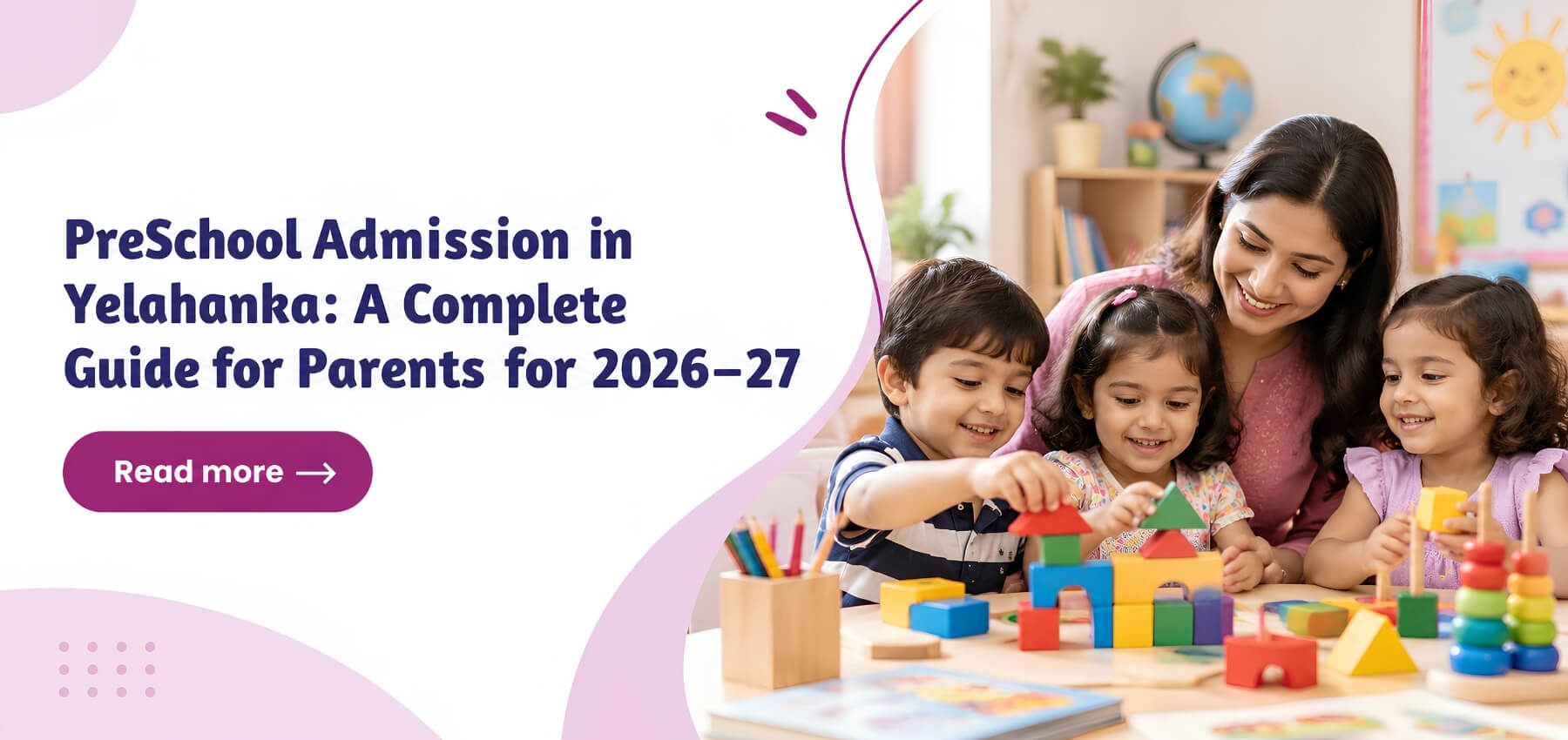
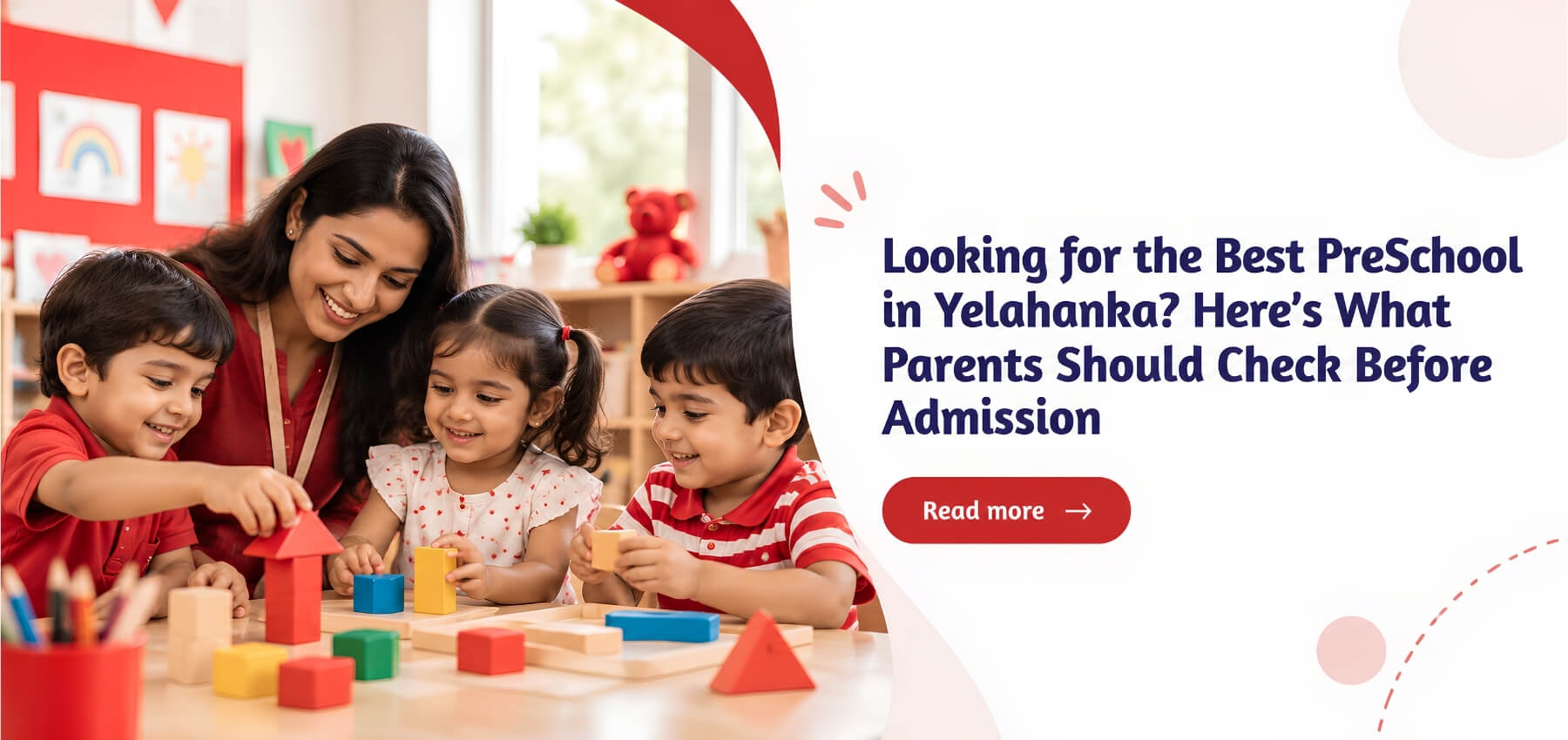
Play-based learning simply means helping children learn through activities that are enjoyable and suitable for their age. For example, children may sort objects by colour, build a tower with blocks, make shapes using clay, play with sand or pretend to run a small shop. These simple activities can teach children about colours, numbers, shapes, communication and problem-solving.
Teachers also play an important role. They observe what children are doing, ask simple questions and encourage them to think. For example, if a child builds a tall block tower, the teacher may ask, “How can we make it stronger?” This gives the child a chance to think, try different ideas and learn from the activity.
Play-based education can include both free play and guided play. During free play, children choose what they want to explore. During guided play, teachers introduce an activity or question connected to a learning goal. India's foundational curriculum also places play and activity at the centre of early learning.
Why Parents Should Choose a Play-Based PreSchool in 2026
Young children learn differently from older children. They need opportunities to touch, move, talk, explore and try things on their own. Play gives them these opportunities in a natural way.
For example, when children play with a floating toy in water, they may wonder why it stays on top. When they play a group game, they learn to talk, listen, wait for their turn and share with others. Even a simple activity can help children learn something new.
Parents comparing the Best PreSchools in North Bangalore can ask how much time children get for free play, outdoor activities, stories, creative activities and guided learning. A good preSchool day should give children different ways to explore and learn instead of expecting them to sit at a desk for long periods.
How Play Helps Children Learn Language and Early Number Skills
Play gives young children a simple and natural way to develop language skills. During storytelling, singing, role-play and group games, children hear new words and learn how to use them. Talking with teachers and other children also helps them ask questions, explain their ideas and become more confident while speaking.
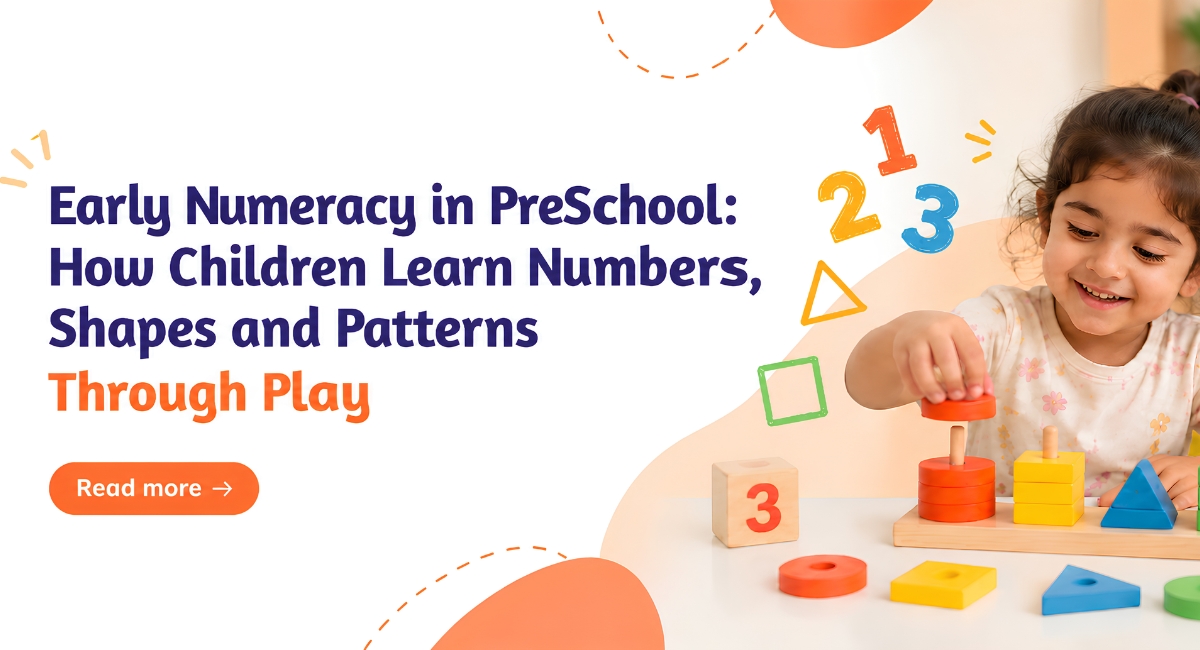
Early number skills can also be introduced through everyday play. Children can count toys, sort objects, match shapes, arrange items by size or build using blocks. These activities introduce numbers, patterns, shapes and quantities without making learning feel difficult.
For example, a teacher may ask a child to count five blocks or find three red objects. These small activities can slowly build a child's understanding of numbers and prepare them for more structured learning later.
How Shared Play Builds Confidence, Friendship and Resilience
Playing with other children is an important part of preSchool life. During group play, children learn how to share, communicate, take turns and work together. They also learn that other children may have different ideas.
Small disagreements can also become learning opportunities. Two children may want the same toy or may have different ideas about how to play a game. With support from a teacher, they can learn how to express their feelings, listen to each other and find a simple solution.
Play also helps build confidence. When children try something new and succeed, they feel proud. When something does not work, they can try again. Slowly, they understand that making mistakes is a normal part of learning.
Why Movement and Sensory Play Are Part of Everyday Learning Today
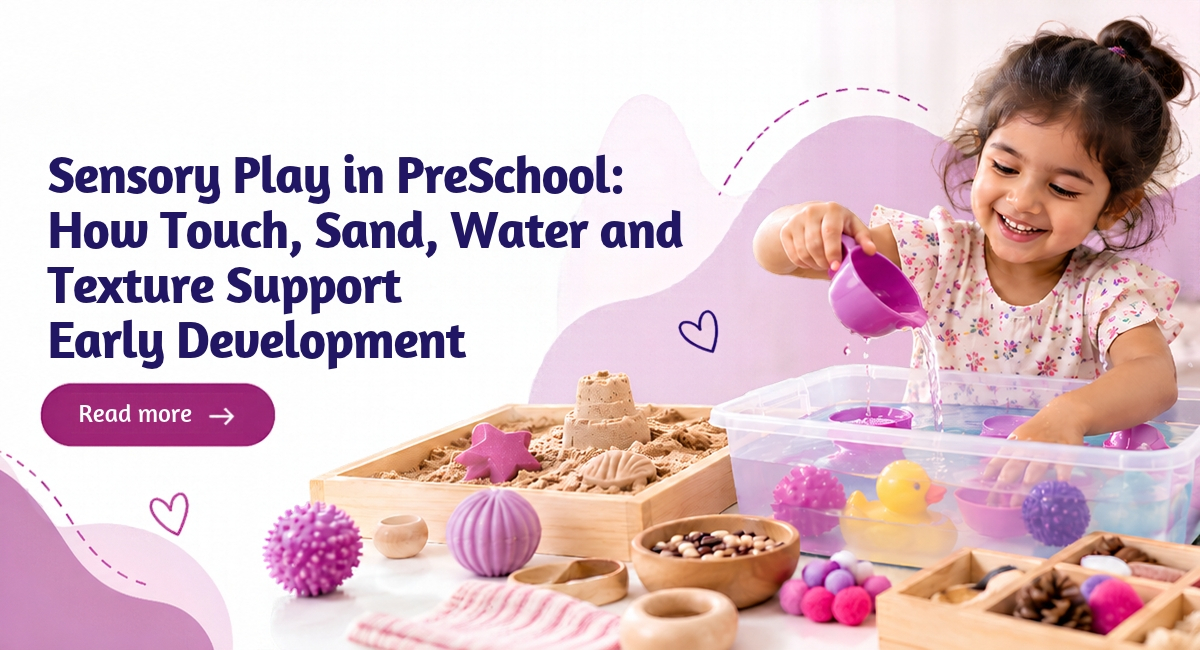
For example, pouring water from one container into another can help improve hand-eye coordination while also introducing simple ideas about quantity and volume. Sand play can encourage creativity, while outdoor games can support balance and physical development.
Sensory activities allow children to learn by touching, seeing, hearing and moving. They can also make the preSchool day more enjoyable and give children a break between more structured activities. NewAge PreSchools includes activities such as sand play, water play and creative play within its learning environment.
How Teachers Balance Free Play With Guided Learning in Class
Play-based learning does not mean children are left alone with toys throughout the day. Teachers have an important role in planning activities, preparing materials and guiding children when needed.
For example, a child may be building a bridge using blocks. Instead of telling the child exactly what to do, the teacher might ask, “What can you do to make your bridge stronger?” The child can then test different ideas and find a solution.
There is also a place for simple teacher-led learning. A teacher may introduce a letter sound and then ask children to find objects beginning with that sound. In this way, direct teaching and play can work together.
Research on guided play also discusses how teachers can connect playful activities with clear learning goals. During a preSchool visit, parents can ask how teachers balance free play, guided activities and structured learning.
What Parents Can Look For During a Preschool Visit in Bangalore
A school visit can tell parents a lot about how children actually spend their day. Instead of only looking at the building and facilities, spend some time observing the classrooms and learning environment.
Look at whether children are comfortable asking questions, using different materials and joining activities. Notice how teachers speak to children and how they respond when a child needs help. Parents can also ask about storytelling, outdoor play, meals, rest time, creative activities and guided learning.
Simple Ways Families Can Encourage Meaningful Play at Home Daily
Play-based learning can continue at home and parents do not need expensive toys or special learning materials to make it useful.
Simple everyday activities can become learning opportunities. Ask your child to sort socks by colour, count fruits, arrange toys by size or help set the dining table. A cardboard box can become a car, a house or a shop depending on the child's imagination.
Parents can also ask simple questions such as “What are you building?” or “What do you think will happen next?” Give children enough time to answer and try their own ideas.
Even a short period of play without screens or distractions can be meaningful. The goal is not to turn every game into a lesson. Give your child time to explore, imagine and enjoy the activity.
Conclusion
Play is not separate from learning during the early years. It is one of the natural ways young children explore the world and understand new ideas. Through play, children can develop communication, early number skills, creativity, confidence, physical abilities and social skills.
A good play-based preSchool combines children's natural curiosity with thoughtful guidance from teachers. Instead of expecting every child to learn in exactly the same way, it gives them opportunities to explore, ask questions, make mistakes and try again.
For parents choosing a preSchool in 2026, it is helpful to look beyond classrooms and facilities. Ask how children spend their day, how teachers use play to support learning and whether the environment makes children feel safe, comfortable and interested in learning.
Visit NewAge PreSchools and Explore Play-Based Learning
For more helpful parenting tips, early learning insights, and preSchool guidance, explore the NewAge PreSchools Blog. Discover how we create a nurturing and engaging environment where young children can learn, explore, and grow with confidence. If you are looking for preSchool admission in Yelahanka, visit NewAge PreSchools to learn more about our programs, curriculum, and admission process for 2026-27.
Frequently Asked Questions
What if my child prefers watching other children play first?
Some children may need more time before joining a group activity. Teachers can gently encourage them without forcing them. As children become comfortable with the environment and people around them, they may slowly begin participating.
Can play-based learning help children become more confident?
Play gives children opportunities to make choices, solve small problems and try new things. When they complete an activity or find a solution, it can help build confidence and independence.
How does play help with a child's language development?
Children talk, listen and learn new words while playing with teachers and other children. Storytelling, singing, role-play and group activities can help children improve their vocabulary and communication skills.
Is free play enough to prepare a child for primary school?
Free play is important, but children can also benefit from guided activities, simple instructions, daily routines and support from teachers. A balanced preschool program can include both free play and teacher-guided learning.
Will my child learn letters and numbers through play activities?
Yes. Letters, sounds, numbers, shapes and counting can be introduced through stories, songs, games and everyday objects. For example, children may count blocks, identify shapes or find objects beginning with a particular letter sound.
What is play-based learning in preschool?
Play-based learning is an approach where young children learn through activities such as games, stories, building blocks, role-play, art, music, outdoor activities and sensory play. Teachers guide children and connect these activities with age-appropriate learning goals.

NewAge PreSchool
Leave a Reply
Your email address will not be published. Required fields are marked *
Comments
No comments available