School Readiness in 2026: 7 Skills Children Need Before Starting Primary School
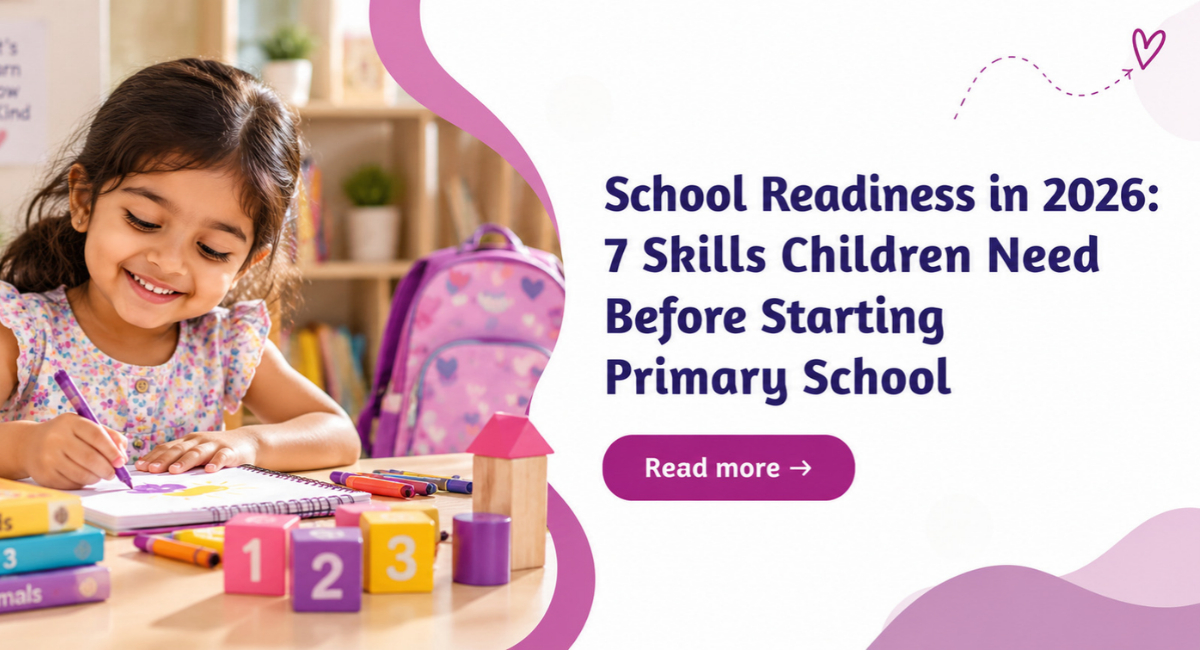
Table of content
- Introduction
- What School Readiness Really Means for Young Children in 2026
- Skill One: Speaking Clearly and Listening During Group Playtime
- Skill Two: Making Friends and Learning to Take Turns in Play
- Skill Three: Managing Feelings and Asking Adults for Support
- Skill Four: Doing Small Daily Tasks With Growing Independence
- Skill Five: Moving, Drawing and Using Hands in Everyday Play
- Skill Six: Noticing Sounds, Stories, Shapes and Everyday Numbers
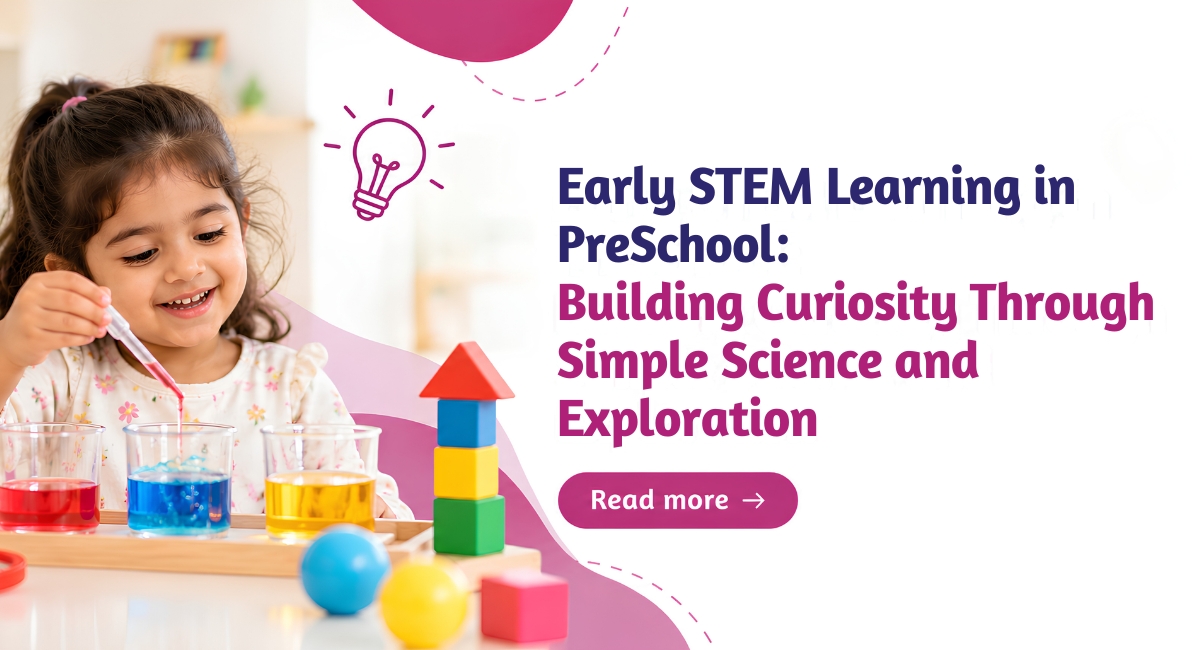
- Skill Seven: Staying Curious and Working Through Small Problems
- Conclusion
- Frequently Asked Questions
Introduction
Starting primary school is a big step for every child. There will be new teachers, new friends and a different daily routine. It is normal for parents to wonder whether their child is ready. Some parents may worry about reading and writing, while others may think about whether their child can make friends, follow instructions or ask a teacher for help.
In todays’ world, school readiness is not only about how many letters, numbers or words a child knows. It is also about communication, confidence, independence, movement and curiosity. Most of these skills develop slowly through everyday experiences at home and preschool. Here are seven important skills that can help children feel more comfortable when they start primary school.
What School Readiness Really Means for Young Children in 2026
Being ready for primary school does not mean a child needs to know everything before the first day. Children are still learning, so they need time to practise new skills, make mistakes and ask questions.
The foundational stage framework in India also gives importance to play and activity during the early years. Parents can notice how their child responds to simple situations, such as joining a new game, listening to a story or adjusting when a daily routine changes.
Skill One: Speaking Clearly and Listening During Group Playtime
Communication is an important part of school readiness. Children should slowly become comfortable expressing simple needs, answering questions and listening when someone else is speaking. These skills help them communicate with teachers and take part in classroom activities.
Parents can support communication during normal daily routines. Talk with your child while travelling, eating or getting ready for bed. Read a short story and ask what they liked about it. Give them enough time to answer in their own words. The age-five milestones include examples related to conversation and storytelling, but every child can develop at a different pace.
Skill Two: Making Friends and Learning to Take Turns in Play
Simple social skills such as sharing, waiting for a turn and joining a group activity can help children feel more comfortable in the classroom.
These skills can be practised naturally through play. Simple family games can teach children that sometimes they need to wait, share or accept that someone else has won.
Skill Three: Managing Feelings and Asking Adults for Support
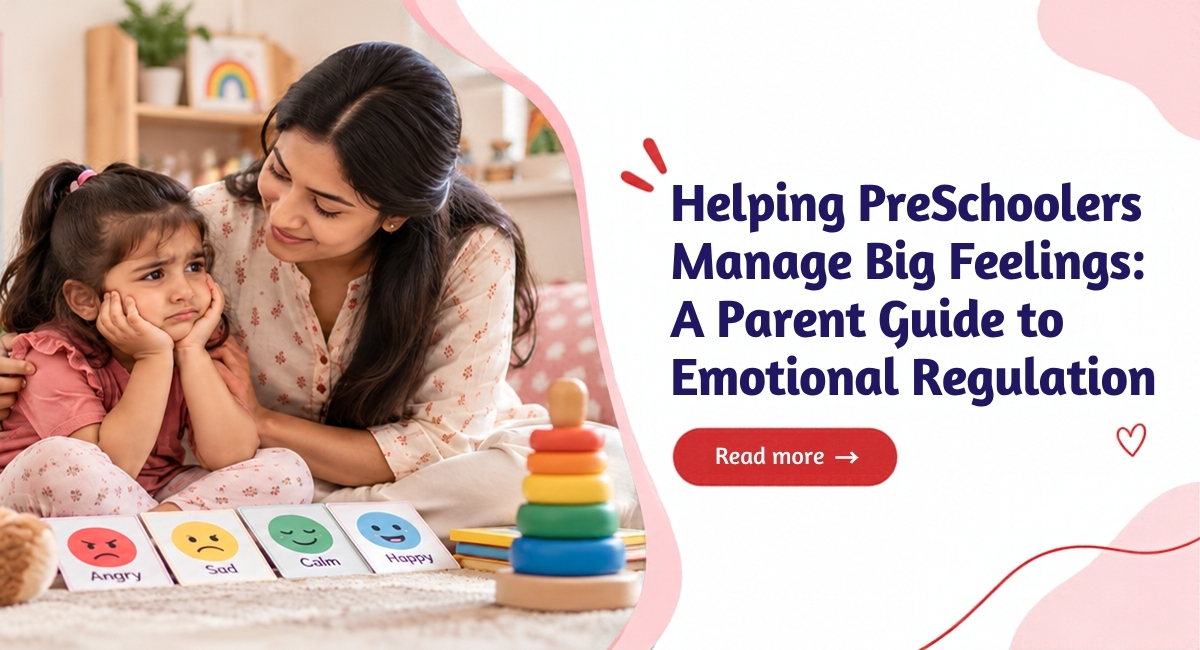
Children can feel many emotions when they enter a new school. They may be excited one moment and worried the next. Learning to recognise these feelings and ask an adult for help is an important skill.
Parents can help by using simple words for feelings.
Skill Four: Doing Small Daily Tasks With Growing Independence
Children do not need to manage everything by themselves before starting school. However, being able to try a few simple daily tasks can make school routines easier.
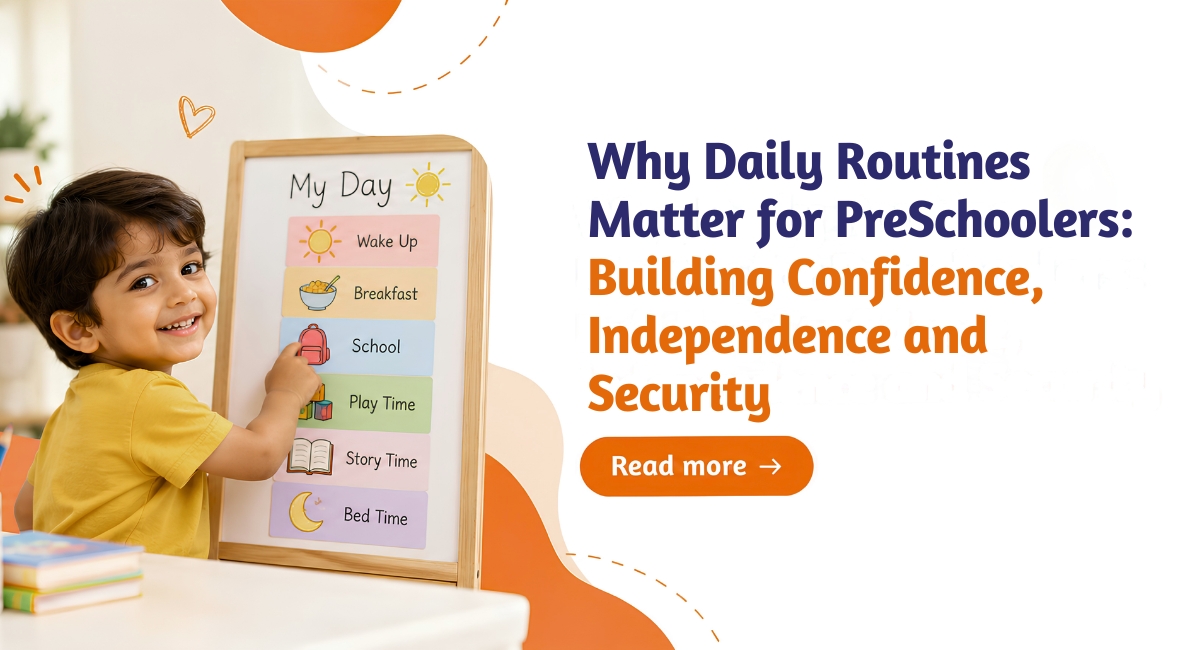
Putting away a school bag, washing hands, opening a lunchbox or telling when they need to use the toilet are useful everyday skills. Parents can give children time to practise these tasks at home instead of immediately doing everything for them.
Skill Five: Moving, Drawing and Using Hands in Everyday Play
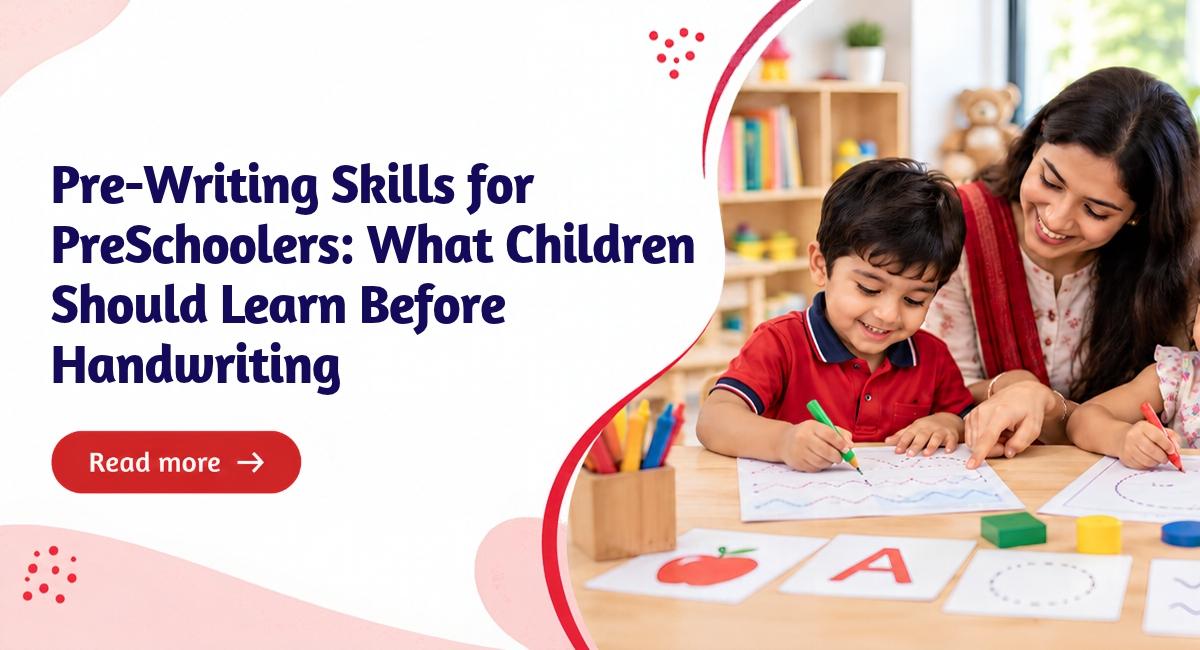
Physical development is also part of school readiness. Activities such as running, jumping, climbing and balancing help children develop better body control. Simple hand activities prepare them for tasks such as drawing, colouring and eventually writing.
Children can develop these skills through normal play. Drawing with crayons, building with blocks, shaping play dough or tearing paper are simple ways to improve hand control. Outdoor play also gives children opportunities to move freely and become more confident using their bodies.
There is no need to turn every activity into a formal lesson. Regular play gives children many chances to develop these skills naturally.
Skill Six: Noticing Sounds, Stories, Shapes and Everyday Numbers
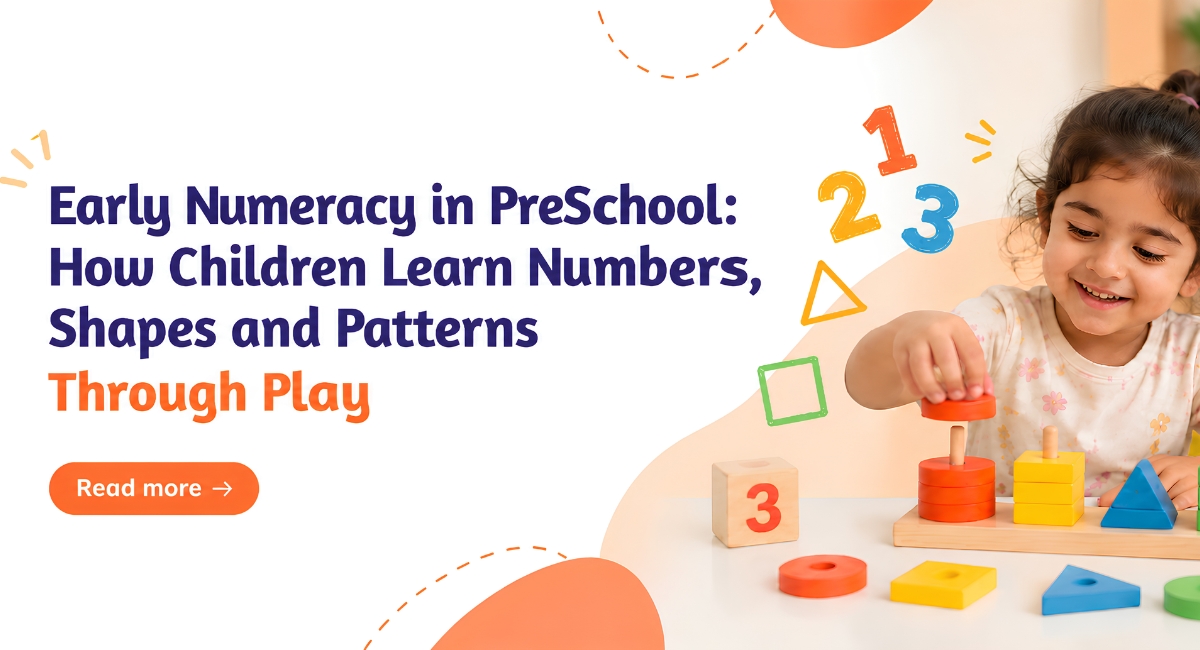
Children do not have to read full books or solve maths problems before starting primary school. Early literacy can begin with enjoying stories, recognising sounds and noticing letters. Early number skills can start with counting everyday objects or recognising simple shapes.
Parents can read books together, sing rhymes or help children recognise the letters in their name. You can count stairs while walking or ask how many apples are on the table. These simple moments can introduce early concepts without making learning stressful.
Skill Seven: Staying Curious and Working Through Small Problems
Young children naturally ask many questions. This curiosity can become a useful learning skill when they start primary school. Children who are comfortable asking “why?” or trying another way when something does not work are learning how to solve problems.
Parents can encourage this by giving children time to think before giving them an answer.
How Parents and Preschool Work Together to Prepare for School
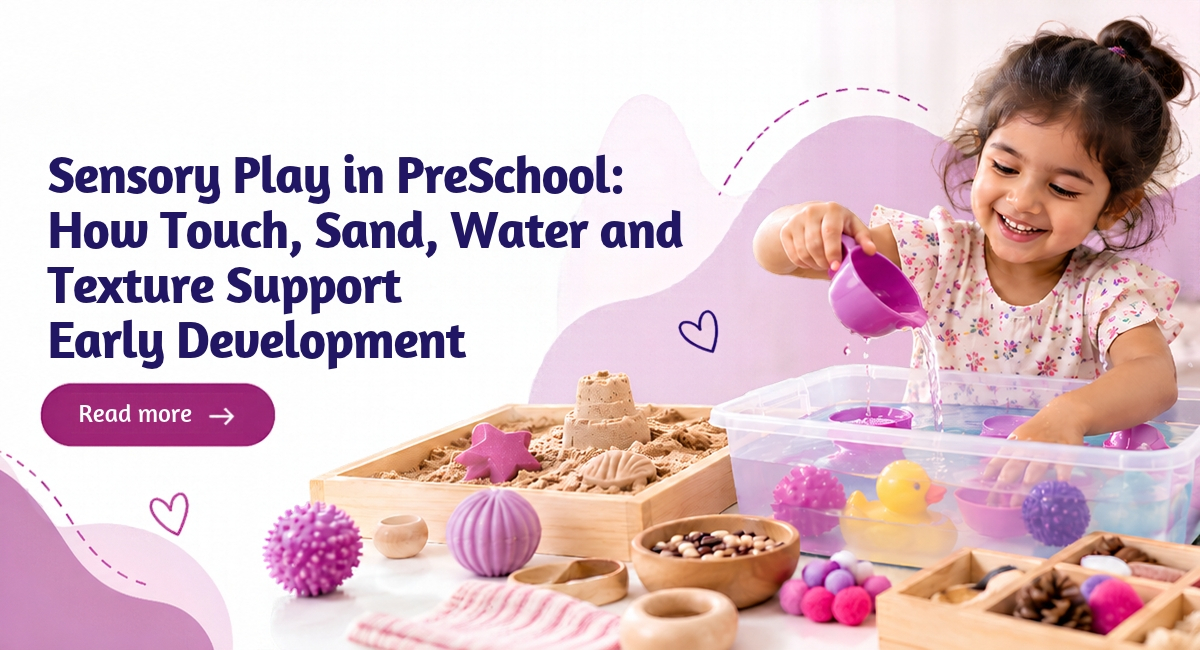
School readiness develops both at home and in preschool. A preschool can give children opportunities to communicate with others, follow simple routines and learn through play. Activities such as storytelling, phonics, creative play, sand play or water play can support different areas of development.
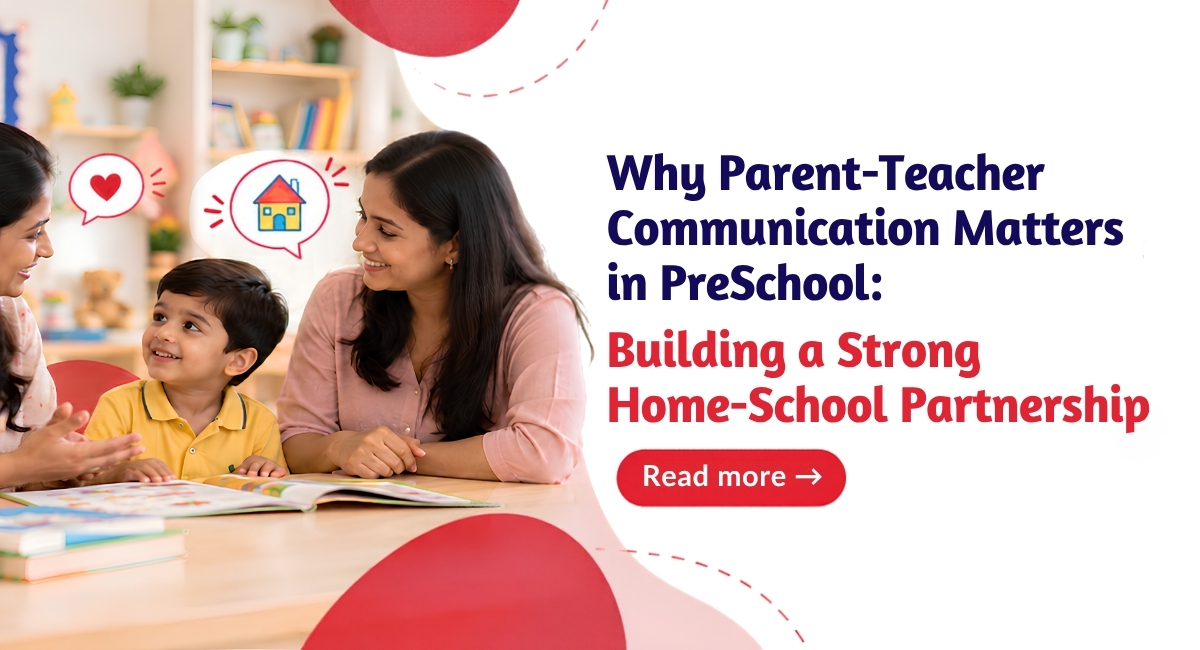
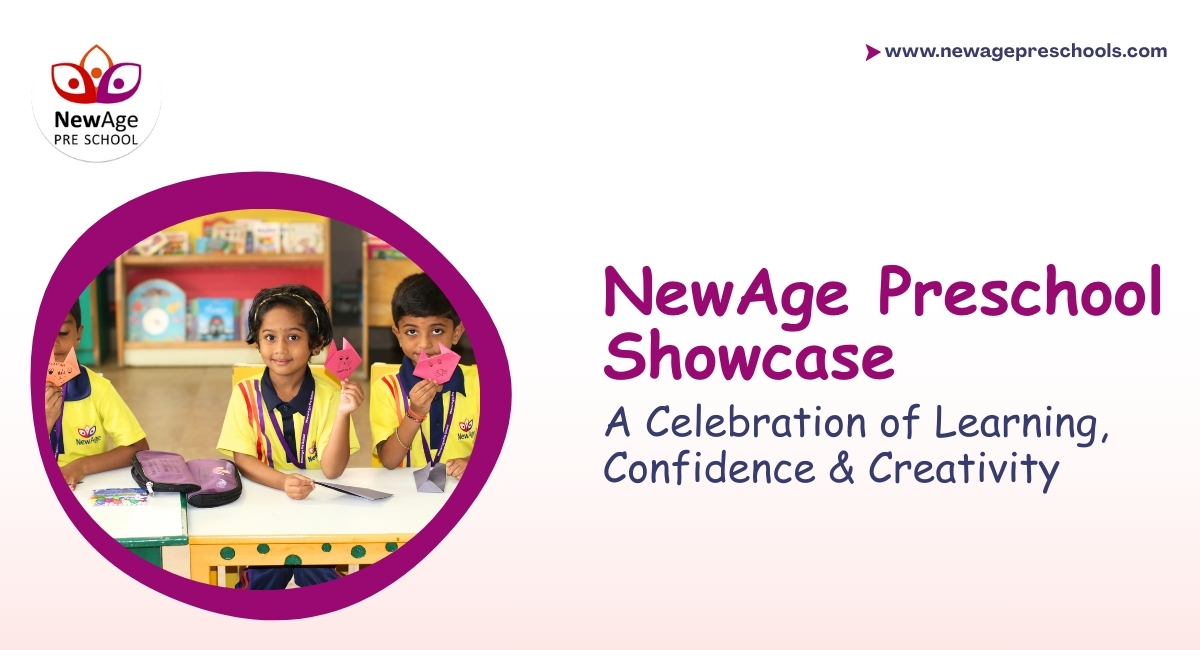
NewAge PreSchools includes phonics classes, guided activities, play-based experiences and preparation for primary school as part of its learning programme. At home, parents can support the same development through regular routines, reading together and giving children small responsibilities. Parents can also speak with teachers about their child's strengths or any areas where additional support may be helpful.
Conclusion
School readiness is about much more than reading, writing or knowing numbers. Communication, friendships, managing emotions, independence, movement and curiosity are all important parts of preparing for primary school.
Children develop these skills at different speeds. Parents can support them by providing simple everyday experiences, giving them time to try things on their own and encouraging them when something feels difficult. Working together with preschool teachers can also help parents understand how their child is progressing.
The aim is not to make children perfect before their first day of primary school. It is to help them enter the classroom feeling comfortable, curious and ready to learn.
Visit NewAge PreSchool to Explore Learning Beyond Screens
For more helpful parenting tips, early learning insights, and preschool guidance, explore the NewAge PreSchools Blog. Discover how we create a nurturing and engaging environment where young children can learn, explore, and grow with confidence. If you are looking for preschool admission, visit NewAge PreSchools to learn more about our programs, curriculum, and admission process for 2026–27.
Frequently Asked Questions
What everyday skills should my child practise before starting school?
Simple skills such as washing hands, opening a lunchbox, putting away belongings and asking an adult for help can be useful. Children do not need to do everything perfectly; the aim is to help them become more confident trying these tasks.
How can I help my child manage the first school morning?
Prepare the school bag and clothes in advance. Explain what will happen when you reach school and tell your child when you will return. Keeping the morning calm and simple can make the first day easier.
Should I practise writing every day before primary school?
There is no need to force children to complete long writing activities every day. Drawing, colouring, playing with dough and building with blocks can help develop the hand control needed for writing.
What if my child is shy around new teachers and classmates?
Some children take longer to feel comfortable around new people. Short school visits and meeting the teacher before the first day may help. Parents can also tell teachers what usually helps their child feel comfortable.
Does my child need to read fluently before starting primary school?
No. Children do not need to read fluently before starting primary school. Being interested in stories, listening to conversations and recognising some sounds can provide a useful foundation for later learning.

NewAge PreSchool

Leave a Reply
Your email address will not be published. Required fields are marked *
Comments
No comments available